
For high-velocity media buyers and traffic arbitrage desks running five-to-six figures monthly on Meta platforms, understanding billing threshold mechanics is the difference between consistent positive cashflow and paralyzed operations. While amateur advertisers battle continuous $2 to $10 micro-charge checkpoint cycles, institutional agencies deploy battle-tested billing protocols to unlock Meta’s maximum standard threshold tier: the coveted $900.00 post-billing invoice.
Synthesizing battle-tested media buying telemetry from elite performance agencies across the US, EU, Asia, and Southeast Asia, this manual breaks down the automated threshold progression ladder, the underlying risk algorithms triggering payment holds, and the exact protocols required to achieve continuous $900 paid invoices without triggering ad account restrictions.
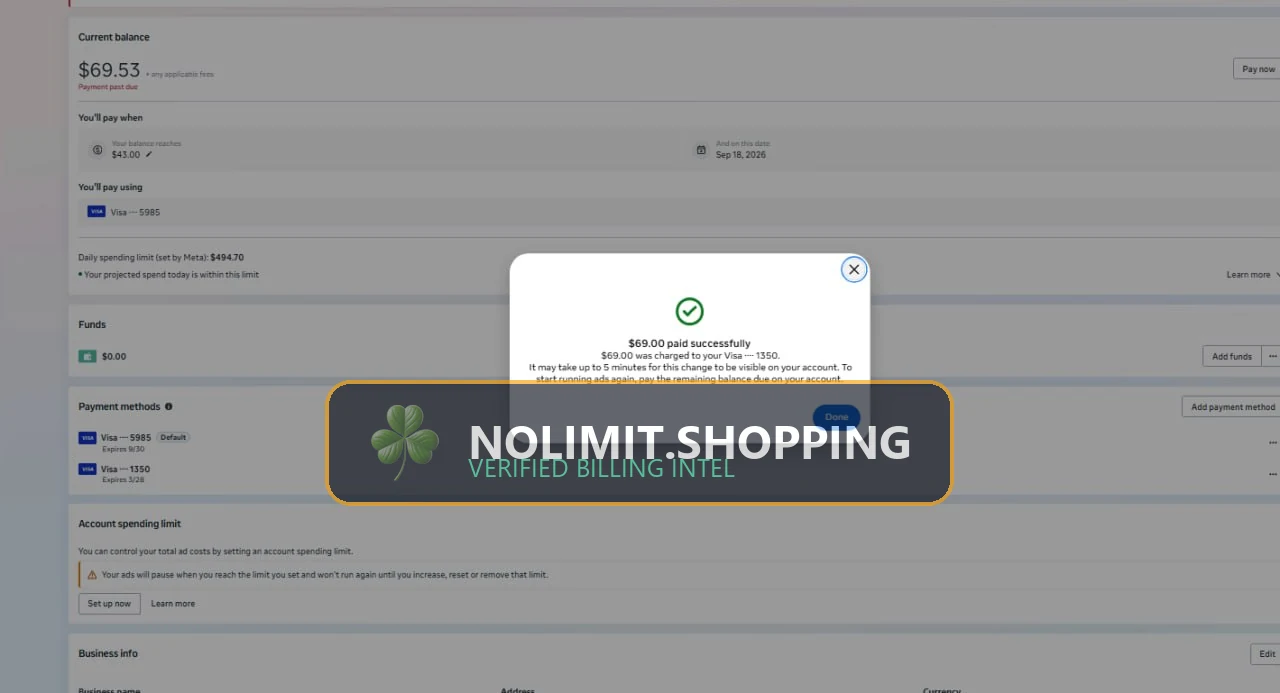
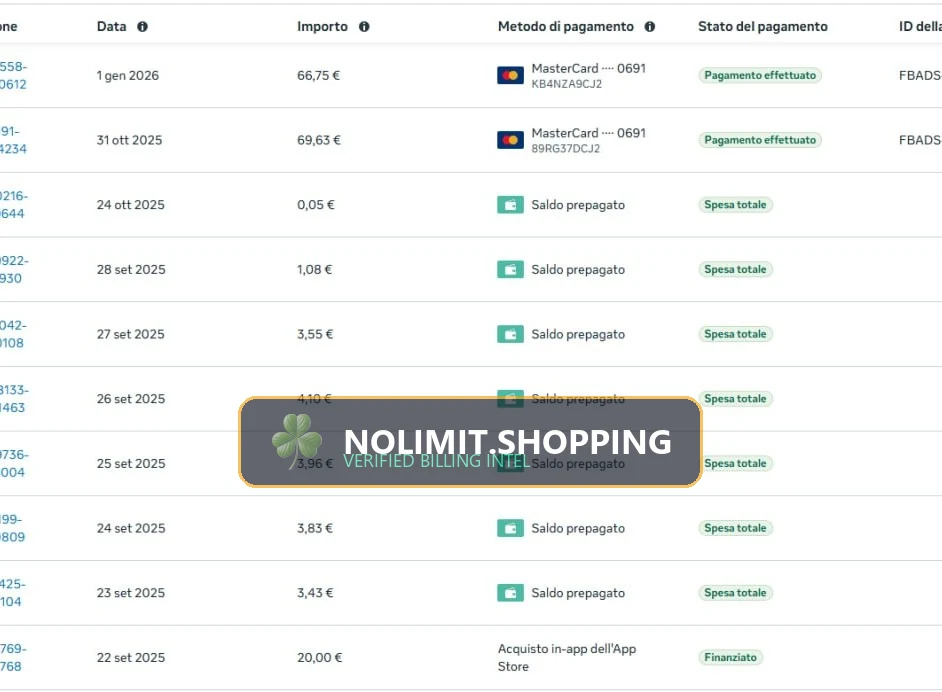
1. Deconstructing Meta’s Automated Billing Ladder: $2 to $900
Meta operates an automated trust-scoring billing algorithm. Fresh ad accounts begin with nominal post-pay limits, scaling upward only as billing events clear without automated bank declines or fraud flags:
| Billing Tier | Threshold Cap | Historical Settlement Required | Integrity Risk Vector |
|---|---|---|---|
| Tier 1: Initial Sandbox | $2.00 – $5.00 | Account creation baseline | Instant 3DS verification hold |
| Tier 2: Trust Seedling | $10.00 – $25.00 | 1–2 cleared invoices | Card issuer country (BIN) mismatch |
| Tier 3: Mid-Scale Post-Pay | $50.00 – $125.00 | 3–4 cleared invoices | Sudden spend velocity spikes |
| Tier 4: Agency Acceleration | $250.00 – $400.00 | 5–8 cleared invoices | Rapid creative URL swaps |
| Tier 5: Institutional Ceiling | $600.00 – $900.00 | 10+ consecutive clean payments | Enterprise verified billing entity |
2. The 3DS & Pre-Authorization War: How Meta Audits Card Solvency
In 2026, Meta’s automated risk engine (Andromeda Integrity Core) applies dynamic pre-authorization checks before ad delivery begins. When an ad set budget is increased or a new campaign is published, Meta places a temporary authorization hold equal to the current billing threshold or daily spend ceiling.
- The Declining Balance Pitfall: If your virtual payment card (BIN) lacks sufficient floating capital to cover the pre-auth hold, Meta tags the account with "Unusual Activity" and pauses delivery immediately.
- The 3DS Token Expiration Hazard: Many low-grade virtual card providers generate single-use 3DS authentication tokens that fail when Meta attempts automated background recurring billing.
- BIN Subnet Blacklisting: If more than 3% of cards from a specific bank BIN range incur chargebacks or failed billing attempts across Meta’s network, the entire BIN range is blacklisted, causing instant payment method rejection on fresh accounts.
3. The Nolimit Shopping Auto-Paid Protocol: Zero-Downtime Settlement
To maintain uninterrupted delivery across multi-thousand dollar daily budgets, elite media buyers adhere to three golden rules of billing hygiene:
- The 30% Balance Buffer Rule: Never maintain exact threshold balances on spending cards. Always maintain a minimum 130% balance relative to your next billing trigger ($1,170 for a $900 threshold) to absorb foreign exchange fluctuations and micro-tax adjustments.
- Scheduled Settlement Synchronization: Set billing cycles to trigger during standard banking business hours (09:00–17:00 in the card issuer timezone) to prevent algorithmic fraud halts common during overnight batch processing.
- Payment Gateway Warmup Sequence: When binding a new card to a high-threshold account, initiate a small manual top-up or clear an interim $10–$25 balance before allowing the automated system to attempt a full $900 charge.
4. VAT Invoicing & Corporate Entity Compliance
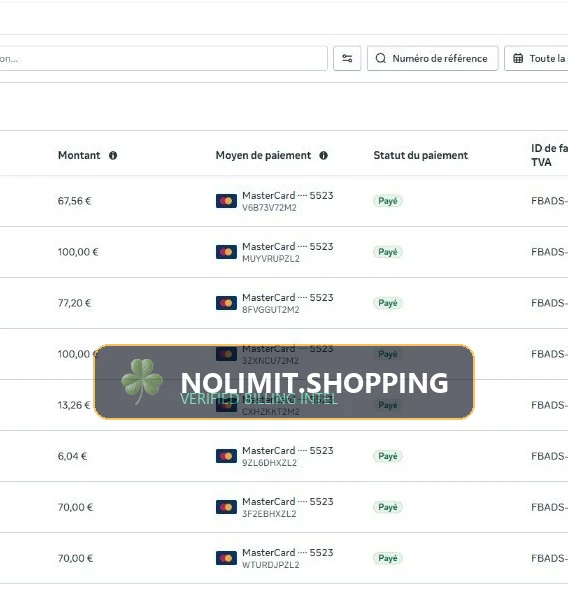
Notice in Figure 1 the official VAT invoice ID format: FBADS-106-XXXXXXXX. For agencies operating in jurisdictions with digital advertising tax (VAT/GST ranging from 5% to 20%), registering a valid corporate tax identification number inside Business Settings eliminates arbitrary tax withholdings and improves internal account trust scoring by up to 40%.
5. Sourcing High-Threshold Accounts on Nolimit Shopping
Warming a fresh account up to the $900 threshold from scratch requires weeks of steady, non-aggressive ad spend and carries substantial risk of premature suspension. High-velocity agencies bypass this friction by procuring pre-warmed, reinstated ad accounts directly from institutional providers.